
 EN
EN

What are self adhesive labels?

Articles Group
Labels are used almost universally, from the home to schools and from retail to manufacturing of products and big industry, people and businesses around the world make use of self-adhesive labels every day.
In layman’s terms, the label adhesive is the glue that will ensure your labels stick to the required surface.
There are a number of different types of label adhesive which fall into two main categories, and the choice of where they are used will be made based on the label’s purpose. The most commonly used adhesives are permanent, where the label is not designed to be moved after contact is made.
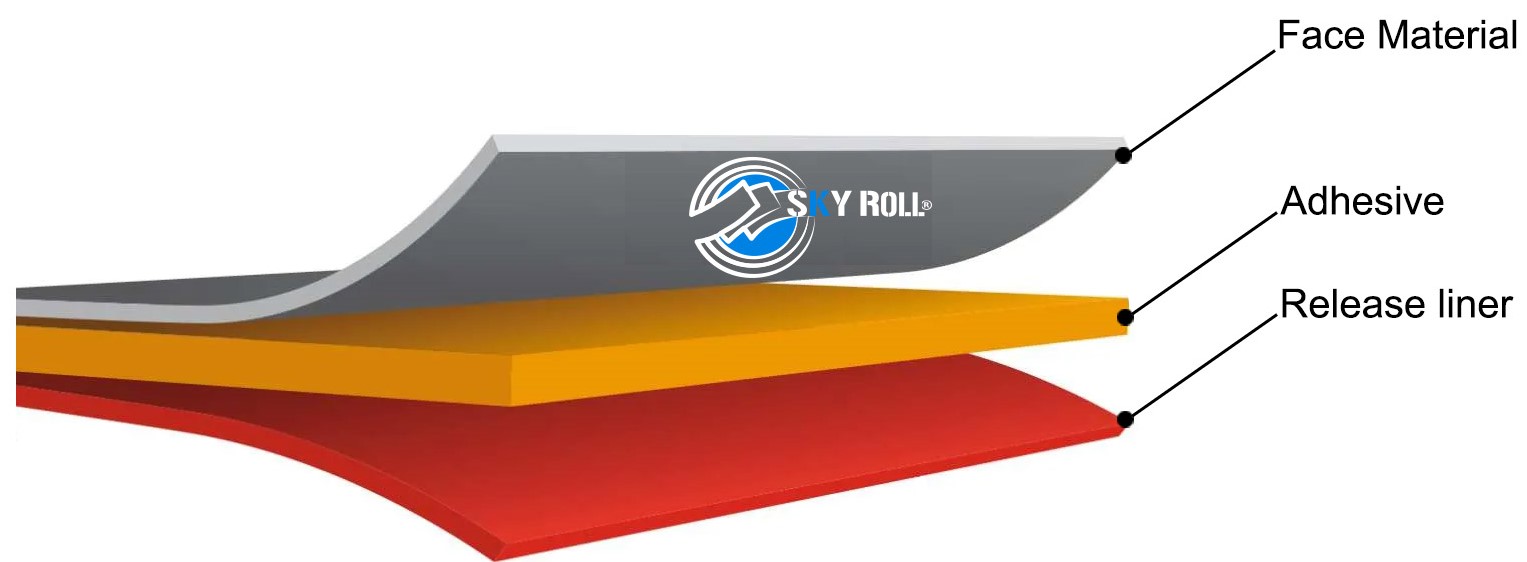
Label construction is made up of three main components, with the materials chosen for each of these carefully selected to make sure they work best in the industry they are intended for and give maximum performance in each environment.
The three components of self-adhesive labels are the release liners, the face materials and the adhesives. Here, we take a look at each of these, their functionality, the options in terms of materials available from Fine Cut for each component and where each type of label works best.
There are a number of different types of label adhesive which fall into two main categories, and the choice of where they are used will be made based on the label’s purpose. The most commonly used adhesives are permanent, where the label is not designed to be moved after contact is made.
Label construction is made up of three main components, with the materials chosen for each of these carefully selected to make sure they work best in the industry they are intended for and give maximum performance in each environment.
The three components of self-adhesive labels are the release liners, the face materials and the adhesives. Here, we take a look at each of these, their functionality, the options in terms of materials available from Fine Cut for each component and where each type of label works best.

Label Types:
• Self-adhesive glossy paper
• Self-adhesive thermal paper
• Self-adhesive white preal polypropylene(BOPP) films
• Self-adhesive metalized polypropylene(BOPP) films
• Self-adhesive transparent polypropylene(BOPP) films
• Self-adhesive white polyethylene (PE) films
• Self-adhesive metalized polyethylene (PE) films
• Self-adhesive transparent polyethylene (PE) films
• Self-adhesive thermal paper
• Self-adhesive white preal polypropylene(BOPP) films
• Self-adhesive metalized polypropylene(BOPP) films
• Self-adhesive transparent polypropylene(BOPP) films
• Self-adhesive white polyethylene (PE) films
• Self-adhesive metalized polyethylene (PE) films
• Self-adhesive transparent polyethylene (PE) films

Release liner:
In simple terms, the release liner of the label is the back part which is removed when the label is to be used. They are specifically designed for easy, clean removal which allows the label to be lifted without any tearing or liner being left on the adhesive part.
Unlike with adhesives and face materials, liners have fewer available options, and come in two main groups. These groups and their applications are:
✓ Coated paper – The most common release liners, paper coated in silicone is used for the vast majority of labels because they are mass produced, meaning lower costs for customers. The release liner also allows for clean removal of labels without tearing.
✓ Plastics – Used more commonly now in a world where machines are used in manufacturing to apply labels at high speeds, these are more durable as release liners and do not tear as easily as paper.
Unlike with adhesives and face materials, liners have fewer available options, and come in two main groups. These groups and their applications are:
✓ Coated paper – The most common release liners, paper coated in silicone is used for the vast majority of labels because they are mass produced, meaning lower costs for customers. The release liner also allows for clean removal of labels without tearing.
✓ Plastics – Used more commonly now in a world where machines are used in manufacturing to apply labels at high speeds, these are more durable as release liners and do not tear as easily as paper.

Adheesive:
Making the right choice when it comes to the many different types of glue available as label adhesive is important if the product is going to serve its intended purpose. The main types of adhesive are:
• Water-based: Available in both permanent and peelable formats, these adhesives are the most common, and are perfect in dry conditions, but can fail somewhat if they are exposed to moisture.
• Hot melt: This type of adhesive is best used in moist environments such as walk in fridges and freezers commonly found in restaurants. It will resist moist conditions and stick much better than water-based adhesives, also used in some water-based product labelling
• Rubber adhesives: Best used in warehouses and other darker environments, these labels are often preferred for their high tack rating. They should not be used where they will be exposed to the sun, as UV light can damage the adhesive and lead to label failure
• Acrylic: Perfect for items that need to be moved around and handled frequently, these labels can be removed and reused time and again, so work well in retail outlets and other places where items are constantly moved and reorganised, and on products which have long shelf lives .
• Water-based: Available in both permanent and peelable formats, these adhesives are the most common, and are perfect in dry conditions, but can fail somewhat if they are exposed to moisture.
• Hot melt: This type of adhesive is best used in moist environments such as walk in fridges and freezers commonly found in restaurants. It will resist moist conditions and stick much better than water-based adhesives, also used in some water-based product labelling
• Rubber adhesives: Best used in warehouses and other darker environments, these labels are often preferred for their high tack rating. They should not be used where they will be exposed to the sun, as UV light can damage the adhesive and lead to label failure
• Acrylic: Perfect for items that need to be moved around and handled frequently, these labels can be removed and reused time and again, so work well in retail outlets and other places where items are constantly moved and reorganised, and on products which have long shelf lives .
Copyright© 2022 Mosalas Nogree Pars Company (SKY ROLL®), All rights reserved.